

Faculty of Agronomy and Environmental Sciences
Training senior professionals in food security and sustainable development since 2014
About FASE
The Faculty of Agronomy and Environmental Sciences (FASE) was created in 2014 to meet the need for senior professionals in Agronomic Sciences within the regional policy of food security and sustainable development. The 4-year training program is sanctioned by a Bachelor's degree in Agronomic Sciences.
Spread across two campuses — Niamey and Saay — the faculty trains its students through three distinct departments: Plant Production, Animal Production, and Forest and Environmental Management. To date, FASE has graduated 103 students over 6 cohorts and has 215 students enrolled for the 2024-2025 academic year.
Our Mission
Provide quality training programs, conduct innovative research to solve agricultural and environmental problems, promote sustainable agricultural practices, raise awareness on environmental issues, and provide technical support to farmers and local communities.
Our Core Values
Sustainability
Promote sustainable agricultural practices and environmentally friendly solutions to address the challenges of climate change.
Scientific Innovation
Conduct innovative research and publish results to contribute to the advancement of knowledge in agronomy and environmental sciences.
Community Engagement
Provide technical support and advice to farmers and local communities to improve agricultural practices and natural resource management.
Graduate Competencies
Upon completion of training, our graduates have solid and transversal skills
Fundamental Sciences
In-depth understanding of biological, chemical and physical sciences applied to agriculture and the environment.
Agricultural Techniques
Mastery of cultivation techniques, soil management and irrigation to optimize agricultural production.
Sustainable Management
Skill in sustainable management of natural resources, including water, soil and biodiversity.
Applied Research
Ability to design and conduct research, analyze and interpret scientific results.
Project Management
Skill to design, plan and evaluate projects related to sustainable agriculture and environmental conservation.
Scientific Communication
Ability to communicate scientific concepts to a non-specialist audience and raise awareness on environmental issues.
Collaborative Work
Experience in collaborative work within multidisciplinary teams to solve complex problems.
Professional Ethics
Understanding of ethical issues related to agriculture and environmental management, towards responsible practices.
Training Program
4 years leading to a Bachelor's degree in Agronomic Sciences
Bachelor in Agronomic Sciences
4 years • 8 semesters • 60 hours of practicals per semester
7 semesters of theoretical courses + 1 semester of internship validated by the defense of a thesis. Years 1 and 2 are common core; specialization begins in the 3rd year in one of the three departments.
Program Structure
Year 1
Common core
Year 2
Common core
Year 3
Specialization (Plant / Animal / Forestry)
Year 4
Specialization + internship and thesis
Plant Production (PP)
Crops, soils, plant pathology, market gardening, rice cultivation, fruit growing, plant improvement and water conservation.
Animal Production (AP)
Animal husbandry, poultry farming, animal nutrition, physiology, immunology, hygiene, pathology and major animal production.
Forestry and Environmental Management
Silviculture, fish farming, environmental sciences, forest and wildlife management, reforestation, beekeeping and natural resource management.
FASE in Numbers
Data for the 2024-2025 academic year
Infrastructure and Equipment
FASE has modern infrastructure spread across two campuses (Niamey and Saay), with laboratories, experimental sites, orchards, fish ponds and agricultural equipment.
Enrollment 2024-2025
Distribution of 215 students by level and specialization
Students by Level
| Level | Specialization | Count |
|---|---|---|
| Year 1 | Common core | 65 |
| Year 2 | Common core | 84 |
| Year 3 | — | 48 |
| Year 3 | Plant Production | 21 |
| Year 3 | Animal Production | 6 |
| Year 3 | Forestry and Environmental Management | 21 |
| Year 4 | — | 32 |
| Year 4 | Plant Production | 25 |
| Year 4 | Animal Production | 7 |
| TOTAL | 215 | |
Leadership and Staff
Faculty Direction
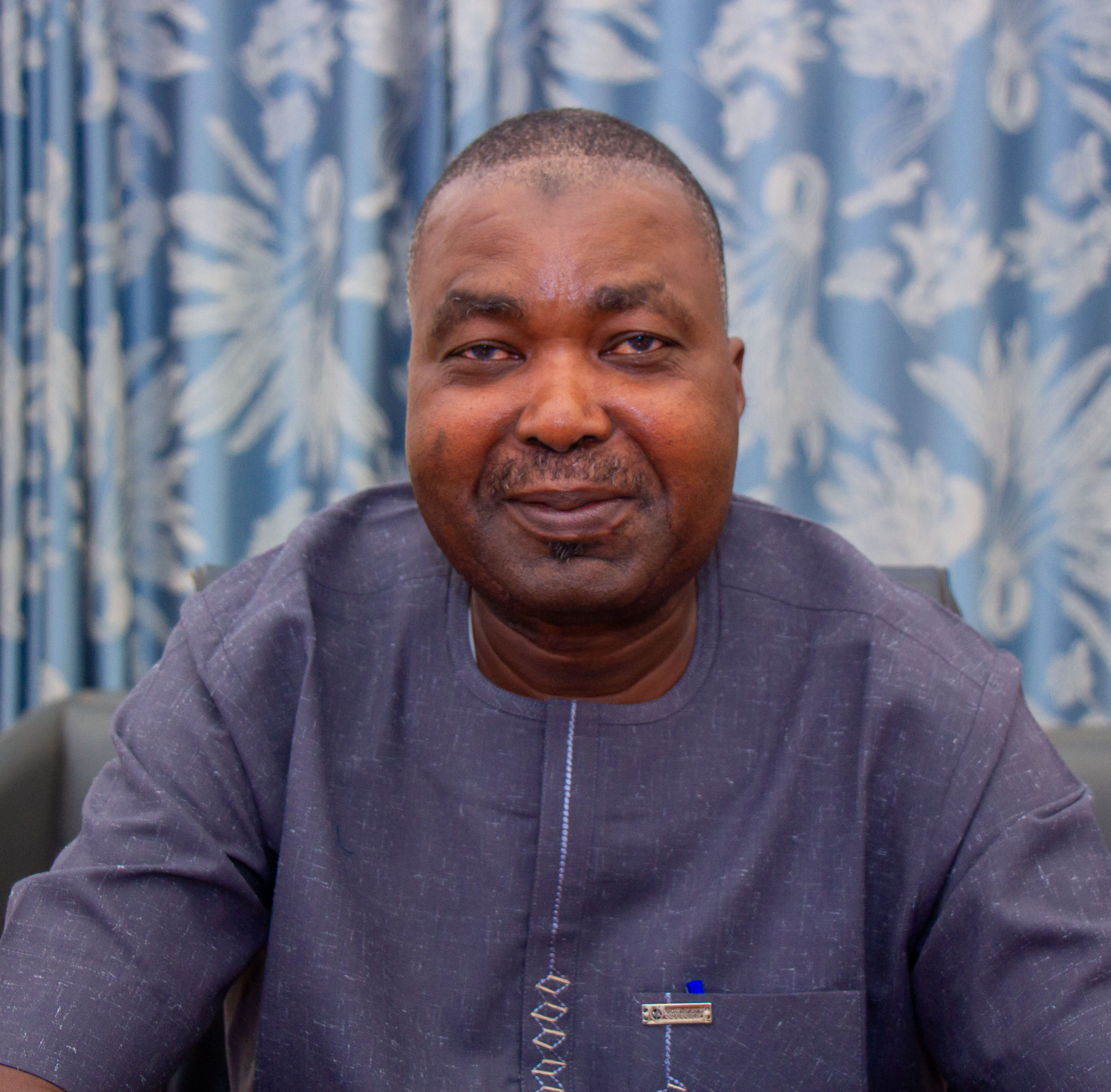
Dean of FASE
Direction of the Faculty of Agronomy and Environmental Sciences
The Dean leads the academic activities of the faculty with the support of Department Heads (Plant Production, Animal Production, Forestry and Environmental Management) and an administrative and technical team. The direction works for quality training, applied research and partnership with stakeholders in the agricultural sector.
Teaching Staff
31 adjunct teachers covering all subjects in the three departments.
Support Staff
- Department Heads
- Secretary
- Lab Technician
Materials and Infrastructure
Equipment suited for practical training in agronomy
Educational Premises
- 14 offices
- 8 classrooms
- 2 lecture halls
- 1 staff room
- 1 meeting room
- 1 large library
Technical Equipment
- 2 computer rooms
- 1 laboratory (Biology, Physics, Chemistry, Pedology)
- 5 video projectors
- 1 agricultural tractor
- Hand tools (hoe, weeder, sprayers)
- 1 bus for field trips
Agricultural Sites
- 2 fish ponds
- 1 orchard (Niamey) and 1 palm grove (Saay)
- Drying and storage sheds (Niamey + Saay)
- 2 experimental sites (Saay and Niamey)
- 2 infirmaries (Niamey and Saay)
- 2 composters
Our Graduates
103 graduates trained since the founding (2014-2024)
Graduates by Cohort
| Cohort | Graduates |
|---|---|
| 1st cohort | 6 |
| 2nd cohort | 19 |
| 3rd cohort | 13 |
| 4th cohort | 29 |
| 5th cohort | 12 |
| 6th cohort | 24 |
| TOTAL | 103 |